When it comes to steel storage tanks, performance and longevity are not just about design—they begin with material selection. Whether you’re storing water, oil, chemicals, or food products, the material you choose has a significant impact on everything from safety and maintenance to the storage tank’s lifespan.
The Foundation of Performance: Why Material Matters
Steel tank fabrication is not a one-size-fits-all process. The materials used must match the tank’s intended use, environmental conditions, and the nature of what’s being stored. Choosing the wrong material doesn’t just shorten the lifespan of the tank—it can result in contamination, environmental violations, or safety risks.
Stainless Steel vs. Carbon Steel: The Basics
The two most commonly used materials in steel tank fabrication are carbon steel and stainless steel. Let’s start with the most common question in steel tank fabrication: Should you use carbon steel or stainless steel?
Carbon Steel Tanks
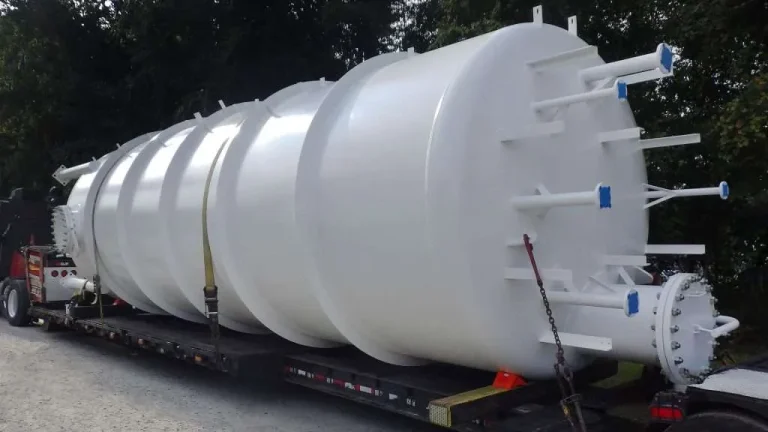
Carbon steel is widely used for tanks because it’s strong, affordable, and easy to fabricate. It’s a solid choice for storing non-corrosive materials or where protective coatings (like linings or external paint) can mitigate rust risk. You’ll often find carbon steel tanks used in fuel storage, water systems, and fire protection applications.
Advantages:
Lower initial cost
High strength
Easily fabricated and welded
Drawbacks:
Susceptible to corrosion without proper coating
Not suitable for many chemicals or food-grade storage
Carbon steel’s performance is tied directly to external coatings and maintenance. If your application involves corrosive substances, you’ll be dealing with protective layers—and their upkeep—for the life of the tank.
Stainless Steel Tanks
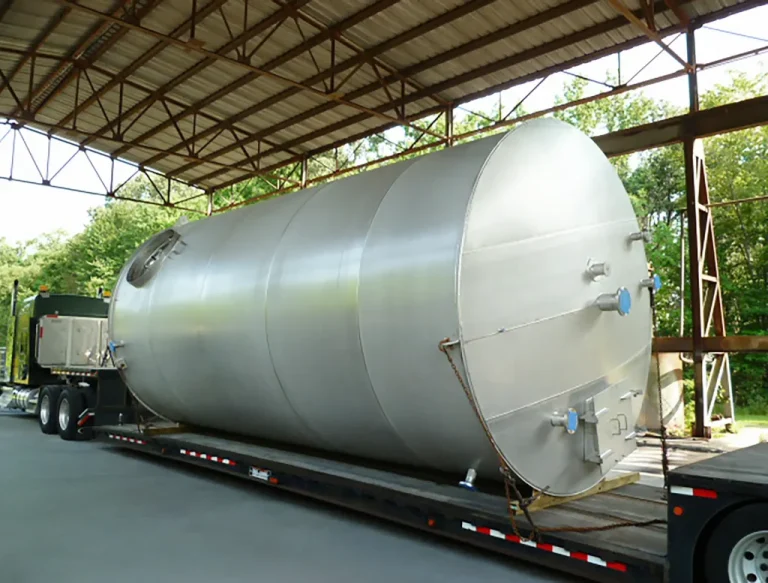
Stainless steel, on the other hand, brings inherent corrosion resistance, making it ideal for storing caustic chemicals, food-grade materials, and high-purity water. When you want a tank that can last for decades with minimal maintenance, stainless steel is the go-to choice.
Advantages:
Corrosion resistant
Long lifespan
No need for internal coatings
Cleanability (critical for food/pharma)
Drawbacks:
Higher upfront cost
Not always necessary for non-corrosive contents
Performance Factors That Depend on Material
Material selection isn’t just about stainless vs. carbon steel. It’s also about how that material interacts with real-world conditions.
1. Corrosion Resistance
Corrosion is the number one enemy of steel tanks. It silently erodes structural integrity and poses potential risks of contamination. Carbon steel requires protective layers—both inside and out—to survive in harsh environments.
If your tank will store saltwater, acids, or chemicals—or be located in a coastal or high-humidity environment—stainless steel is often the smarter long-term choice.
2. Environment
Is your tank sitting outside in coastal humidity or inside a climate-controlled plant? Exposure to the elements dramatically influences corrosion risk. Coastal and industrial areas can accelerate degradation unless you choose corrosion-resistant materials.
3. Pressure and Temperature
Some tanks are designed to handle high pressure or fluctuating temperatures. In these cases, material strength and fatigue resistance are key. Stainless steel often handles thermal stress better, but certain carbon steel grades can also perform well under these conditions.
4. Regulations and Compliance
If your tank needs to meet FDA, USDA, or EPA requirements, your material must comply. Stainless steel is a go-to for food-grade and pharmaceutical applications because it’s non-reactive, easy to clean, and already meets regulatory standards.
5. Budget and Lifecycle Cost
While carbon steel wins on upfront cost, stainless often wins on long-term value. Less maintenance, fewer repairs, and a longer service life can make stainless steel a more cost-effective investment over time, especially when downtime or contamination costs are high.
Conclusion
We hope that this guide has helped you better understand the importance of material selection in determining the durability and performance of your steel storage tank. From choosing between carbon steel and stainless steel to considering the environment and the objects being stored, every detail matters.
Understanding the benefits and drawbacks of each material will enable you to make informed decisions that directly impact your tank’s dependability, safety, and long-term value. Whether you’re planning a new build or evaluating an existing system, working with experienced steel tank manufacturers ensures that your tank is made from the right material for the job.
Partnering with the Right Steel Tank Manufacturer
Savannah Tank specializes in custom-engineered steel tanks, drawing on decades of experience to help customers select the right materials for long-term performance. Our commitment to quality fabrication and material expertise ensures that your tank functions as intended for decades.